Telugu Cinema: Has Violence Replaced Storytelling?

- 1Telugu cinema is facing renewed criticism over the increasing use of graphic violence as a major commercial element in big-screen action films.
- 2Recent examples cited in the debate include The Paradise, Toxic, OG, Animal and the reportedly blood-heavy teaser of Rowdy Janardhan.
- 3The larger concern is whether excessive violence can genuinely replace emotional writing and strong storytelling, particularly when filmmakers want to attract both mass and family audiences.


Get Krihaa News App on Your Mobile
Real-time breaking news alerts, political analysis, and movie reviews on Android.
Core News and Key Facts
Blood has become an increasingly visible part of the visual language of commercial Indian cinema, and Telugu cinema is now facing a debate over where that trend should stop. Several recent big-screen projects have relied heavily on graphic action, brutal fight sequences and violent imagery, prompting questions about whether intensity is being mistaken for storytelling.
Films and promotional material such as The Paradise, Toxic, OG, Animal and the teaser material associated with Rowdy Janardhan have all been cited in public discussions about the growing prominence of violence. The examples are different in genre, scale and reception, but they share one feature: action is increasingly being marketed through the shock value of what happens on screen.
The debate is not about whether action belongs in commercial cinema. Telugu films have historically used fights, revenge dramas and larger-than-life heroes as major theatrical attractions. The concern is about the point at which violence stops serving the story and starts becoming the story.
Context and Official Statements
The shift is partly connected to changing audience expectations around action cinema. Films from different Indian industries have demonstrated that darker, more graphic action can generate strong attention, especially on social media, where individual fight moments can travel independently of the full film.
That has created an interesting promotional incentive. A violent teaser frame can become instantly shareable, while a carefully written emotional scene may require much more context before it connects with viewers. For filmmakers operating in a competitive theatrical market, the visual impact is therefore easy to understand.
At the same time, the response to violent content is not uniform. Some audiences actively seek intense action, while others, particularly families, may find graphic sequences uncomfortable. Certification rules and individual film ratings also remain important factors in determining who can watch a film in theatres.
Krihaa Analysis
The bigger issue for Telugu cinema is not whether there is too much violence in one particular movie. It is whether filmmakers are beginning to confuse the audience’s appetite for intensity with an appetite for gore.
Action works when viewers understand why a character is fighting and what the fight changes. A brutal scene can be powerful when it carries emotional or narrative consequences. But when blood becomes the easiest shortcut to make a hero appear dangerous, the effect can eventually become predictable.
There is also a commercial contradiction here. A filmmaker may design extreme action to strengthen a film’s mass appeal, yet the same choice can narrow the film’s potential audience. Telugu cinema has traditionally depended on a broad theatrical ecosystem where families, youngsters and repeat viewers all contribute to long runs. If violence becomes so graphic that a section of that audience feels excluded, the industry may be trading breadth for immediate online attention.
The next phase of commercial action cinema may therefore depend less on how much blood a scene contains and more on how much meaning the violence carries. Spectacle can bring the audience into a theatre once; character, emotion and story are what give them a reason to stay.
Related Topics
Comments (0)
Join the conversation
Sign in to comment & receive news alerts. Unsubscribe anytime.
Suggested Stories in Movies

Telugu Cinema First Half 2026: Hits, Misses and Surprises
Telugu cinema’s first half of 2026 saw a strong Sankranthi run followed by several underperformers, with Maa Inti Bangaram emerging as a major commercial success.
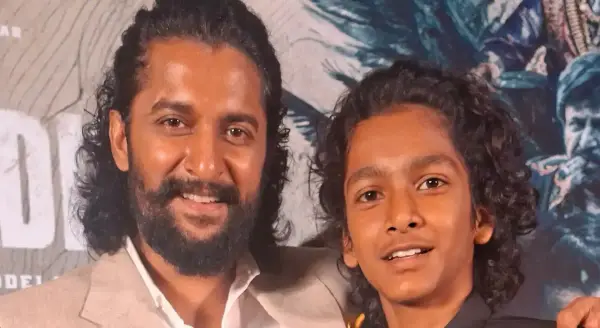
The Paradise: Chota Jadal Meets Nani in Viral Pic
The Paradise actor Akhira Nandan shares a photo with Nani, bringing Chota Jadal and Jadal together in one frame and drawing attention online.
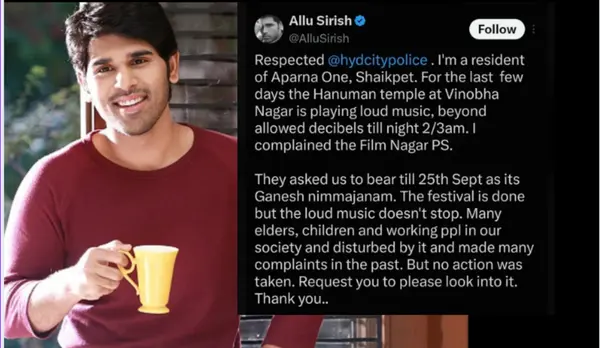
Allu Sirish: Police Act on Late-Night Loud Music Complaint
Allu Sirish complained to Hyderabad Police over loud music near his Shaikpet residence continuing until 2–3 am, prompting officials to forward the matter to Film Nagar police.
Published by
Krihaa News — Hyderabad, Telangana
Krihaa News is committed to accurate, independent reporting. Read our editorial guidelines and corrections policy.