Sukumar School: Is Telugu Cinema Repeating One Emotion?

- 1Pushpa established self-respect and identity as a powerful emotional engine, influencing a new generation of Telugu filmmakers.
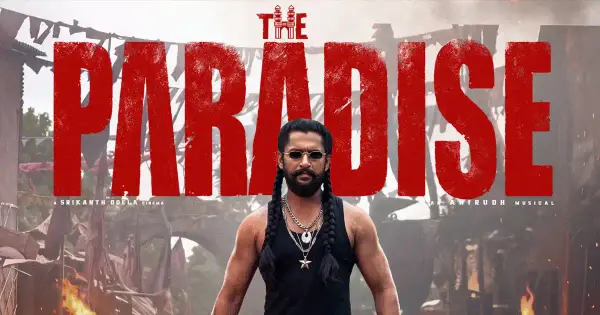
- 2Peddi and The Paradise shift the setting to sports and period drama, but retain conflicts built around recognition, dignity and identity.
- 3The bigger industry question is whether Sukumar’s storytelling influence is becoming a creative template rather than simply a filmmaking inspiration.


Get Krihaa News App on Your Mobile
Real-time breaking news alerts, political analysis, and movie reviews on Android.
Core News and Key Facts
Telugu cinema’s new generation is increasingly discovering the commercial strength of stories built around identity, dignity and social recognition. The interesting part is that this emotional thread is now appearing across films associated with directors who emerged from Sukumar’s filmmaking school.
Pushpa gave this idea a powerful commercial shape through Pushpa Raj, whose struggle was not simply about survival or money but about earning recognition and refusing to accept the humiliation attached to his identity. That emotional core helped the film connect with a wide audience while its action, characters and world-building provided the commercial packaging.
The same broad emotional framework can be noticed in Buchi Babu Sana’s Peddi and Srikanth Odela’s The Paradise, although both filmmakers place their protagonists in substantially different worlds. Peddi uses a sports-oriented setting, while The Paradise moves into a period drama with a larger collective struggle. Yet questions of identity, dignity and recognition remain central to their conflicts.
Context and Official Statements
The influence of a successful filmmaker on his former associates is normal in any film industry. Directors carry forward techniques, themes and narrative instincts learned during their formative years. Sukumar’s school has particularly produced filmmakers who combine intense character conflicts with strong visual worlds and commercial storytelling.
The concern begins when the emotional foundation starts becoming predictable even though the surface changes. A sports drama can have a different visual identity from a period action drama, but if both repeatedly depend on characters fighting for recognition, audiences may begin identifying the underlying template before the story develops.
This does not mean the films are identical or that their directors lack individual voices. Peddi and The Paradise have different settings, characters and narrative ambitions. The discussion is instead about the emotional architecture connecting a section of contemporary Telugu cinema.
Krihaa Analysis
The bigger issue for Telugu cinema may not be Sukumar’s influence itself, but how quickly an influential storytelling pattern gets converted into an industry comfort zone.
Successful emotional formulas often travel faster than individual filmmaking techniques. Once audiences respond strongly to a particular conflict, writers and directors can naturally become attracted to similar dramatic engines because they offer a familiar route to emotional engagement. The danger is that visual novelty can then disguise narrative repetition.
The next interesting phase for these filmmakers will be their ability to retain the strengths they learned from Sukumar while deliberately abandoning his most recognisable emotional patterns. Identity can remain part of a story, but it need not always be the protagonist’s central battle. Telugu cinema has enough social, psychological, political, familial and moral conflicts to build equally powerful commercial narratives.
For the filmmakers emerging from this school, originality may therefore become less about making a different-looking film and more about finding a different reason for audiences to emotionally invest in the protagonist.
Related Topics
Comments (0)
Join the conversation
Sign in to comment & receive news alerts. Unsubscribe anytime.
Suggested Stories in Movies

The Paradise: Nani Film Crosses ₹100 Crore in Two Days
Nani’s The Paradise has crossed the ₹100 crore worldwide gross mark within two days, despite a sharp second-day drop as the film enters its first weekend.
The Paradise Nizam: Day 2 Holds Strong at the Box Office
The Paradise continues its strong Nizam run as unofficial trade estimates put Day 2 share above Rs 5 crore, taking the two-day total past Rs 18 crore.

Nani Responds to The Paradise Reviews and Trolling
Nani responds to The Paradise audience and critic reactions, thanking fans for their love while saying he also enjoyed the social media trolling and learned from reviews.
Published by
Krihaa News — Hyderabad, Telangana
Krihaa News is committed to accurate, independent reporting. Read our editorial guidelines and corrections policy.